At Melbourne Family Dental Care, we understand that the impact of missing teeth goes far beyond a visible gap in your smile. The loss of even a single tooth can trigger a chain reaction — neighbouring teeth may begin to tilt, opposing teeth can over-erupt, and the natural balance of your bite is gradually disrupted. Over time, this can affect chewing efficiency, facial structure, speech clarity, a
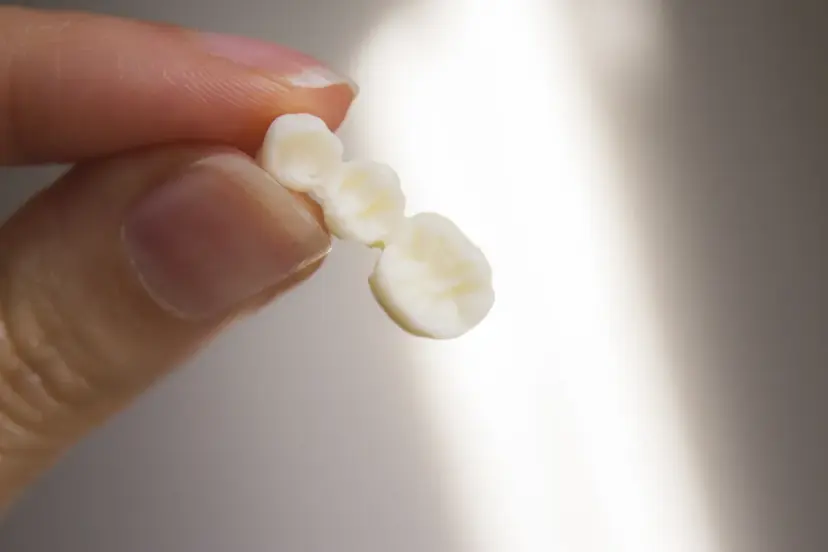
Dental bridge treatment is a well-established, fixed solution for replacing missing teeth. When a dental bridge is carefully planned and precisely fitted, it does far more than replace a tooth. It restores stability and functional harmony to your bite, allowing you to eat, speak, and go about your daily life comfortably — without constantly being aware of a missing tooth.



Step 1: Consultation and Collaborative Planning — Your first appointment is a detailed discussion, not a rushed assessment. Using intra-oral images and diagnostic scans, we explain the condition of your teeth and why a bridge may be recommended. Treatment goals, material options, and expected outcomes are discussed openly, so decisions are made together.
Step 2: Tooth Preparation and Temporary Bridge — Under comfortable local anaesthesia, the supporting teeth are carefully prepared. A digital scan is taken, and a temporary bridge is placed while your final restoration is being made. This temporary bridge protects the teeth, maintains appearance and speech, and allows you to adapt to the feel of a bridge.
Step 3: Trial Fit and Refinement — Once your custom bridge is ready, we assess its fit, colour, shape, bite comfort, and how it feels when you speak and chew. You are encouraged to provide feedback. Any necessary refinements are completed before final placement.
Step 4: Final Bonding and Ongoing Care — When everything is confirmed, the bridge is permanently bonded using high-quality dental cement. Final bite checks and polishing are completed, and personalised aftercare instructions are provided. From this point, ongoing reviews help ensure the bridge continues to function as intended.
Life After a Dental Bridge — Most patients quickly return to normal eating and speaking. Long-term success depends on keeping the supporting teeth — the “anchors” of the bridge — healthy. In addition to daily brushing, cleaning beneath the bridge is essential. This may involve: ●Bridge floss or floss threaders ●Interdental brushes for larger spaces ●Water flossers as a helpful supplement Our oral health team demonstrates these techniques in person and ensures you are confident before leaving the clinic. Regular professional cleans and reviews every 6–12 months allow us to monitor the bridge and supporting teeth closely.
The cleaned canals are filled with a biocompatible material called gutta-percha, which seals the space and protects the tooth from further infection.
Most teeth treated with root canal therapy require a dental crown for long-term protection. A crown restores the tooth’s strength, appearance and chewing stability.
We provide detailed aftercare instructions and schedule follow-up appointments to monitor healing. Most patients return to normal activities very quickly.
A dental bridge is a custom-made restoration designed to replace one or more missing teeth by “bridging” the gap between healthy teeth. The teeth on either side of the space — known as abutment teeth — are carefully prepared to support the bridge. These teeth act as stable anchors, much like bridge pylons in engineering.
The bridge itself is made as a single connected structure. The replacement tooth (or teeth) sits in the middle of the gap, while crowns on either side fit securely over the supporting teeth. Once bonded in place, the bridge becomes a fixed part of your mouth — there is no need to remove it — and function is restored immediately.
Book online in under a minute or give the clinic a call — new patients always welcome.